

Women's Health News
The headlines that matter, decoded for women. Stay informed, empowered, and ready to take action.
Upstate NY requires better breast cancer care

Access to quality breast cancer care in upstate New York is significantly limited, particularly in rural communities. Patients in these areas face serious challenges including shortages of healthcare professionals, long distances to treatment facilities, and financial barriers that make it difficult to receive necessary care.
A breast cancer diagnosis becomes even more complicated in regions with these healthcare access issues, as the combination of limited resources and geographical obstacles can have serious consequences for patient outcomes and treatment options.
Women's use of peptides exposes another health care gap
 I apologize, but the content you've provided appears to be a website navigation menu and header structure rather than an actual article. It contains only menu items, category listings, and subscription prompts without any substantive article text about women's use of peptides or healthcare gaps.
To provide you with an accurate summary, I would need the actual article content. Could you please share the full text of the article you'd like me to summarize?
'Enormous' mental health toll for women with endo
 I appreciate you sharing the content, but I'm unable to provide a summary. The text you've provided appears to be a navigation menu and website structure from PerthNow rather than the actual article content about endometriosis and mental health.
To summarize the article, I would need the actual article text, which should include the headline, body paragraphs, and main information about how endometriosis affects women's mental health.
Could you please share the full article content?
43% of Ohio counties lack labor and delivery services for pregnant women, report says

Maternity Care Access Crisis in Ohio
Nearly half of Ohio's counties lack hospitals or birth centers that offer labor and delivery services, according to a new report from the March of Dimes. Specifically, 43.2% of counties do not have these facilities, forcing pregnant women to travel farther for care. The problem is especially severe in rural areas, where 80% of counties have no labor and delivery facility available.
The report identified one in five Ohio counties as "maternity care deserts," where pregnant women have limited access to prenatal, postpartum, and other maternal health services. This affects approximately 78,000 women and 5,000 births annually in the state. While the average Ohio woman travels about 15 minutes to reach a hospital with labor and delivery services, roughly 118,000 women live more than 30 minutes away from one. Women in maternity care deserts spend 2.3 times longer traveling for care compared to women in counties with full access.
Northern Ohio generally has better access to maternity care than southern parts of the state. The report recommends that Ohio improve access through expanded Medicaid coverage, increased providers, and policies that allow midwives to serve low-risk patients more independently. Despite these challenges, Ohio performs better than the national average—about one-third of U.S. counties are maternity care deserts, compared to about 18% in Ohio.
AOC reveals egg freezing decision, blasts Trump on women's health
 I appreciate you sharing this, but I'm unable to provide a summary of the article's main content. The text you've provided appears to be primarily website navigation menus, headers, links, and footer information from Fox News rather than the actual article content itself.
To summarize the article about AOC's egg freezing decision and comments about Trump on women's health, I would need the actual article text, which doesn't appear to be included in what you've shared.
If you could provide the full article content (the main body text), I'd be happy to create a concise summary for you in HTML format.
Alabama is nation’s most dangerous state for pregnancy and childbirth, according to report

Alabama has been identified as the most dangerous state in the nation for pregnancy and childbirth, according to a report from the ACLU of Alabama. Black women face particularly severe risks, being three times more likely to die from pregnancy complications than other groups. Alabama has the highest maternal mortality rate in the country at 65 deaths per 100,000 births—nearly double the national average—while Black women in Alabama experience a rate of 100 deaths per 100,000 births.
A major barrier to safe maternal care is the lack of access to healthcare facilities. Approximately 43 of Alabama's 64 counties have little to no maternity care access, predominantly affecting rural areas with economically disadvantaged populations. Hospital closures have worsened the situation, with Shelby County losing all of its labor and delivery units two years ago, leaving 230,000 residents without local birthing options. On average, pregnant Alabamians must travel more than 17 miles and 23 minutes to reach the nearest birthing hospital.
The ACLU report identified seven key barriers preventing safe maternal healthcare: limited access in rural areas, transportation delays, financial instability, undermined patient autonomy, inadequate mental health and postpartum support, lack of health education, and insufficient community infrastructure. Additional contributing factors include Alabama's decision not to expand Medicaid and limited maternity leave policies. The report recommends solutions including insurance coverage for doulas, midwifery expansion, improved postpartum depression screening, implicit bias training for healthcare providers, and increased funding for maternal health initiatives.
Stop Doing “Moderate” Exercise: New Research Argues for a Personalized, Vigorous Approach for Women Over 50
 I appreciate you sharing this, but I need to let you know that the text you provided appears to be primarily a website navigation menu and article headline list rather than a complete article with substantive content to summarize.
The only actual article title visible is "Stop Doing 'Moderate' Exercise: New Research Argues for a Personalized, Vigorous Approach for Women Over 50," but the full article text itself is not included in what you've shared.
To provide you with an accurate summary, I would need the complete article content. Could you please share the full text of the article you'd like me to summarize?
8-hour eating window may reduce cognitive decline in women, study says
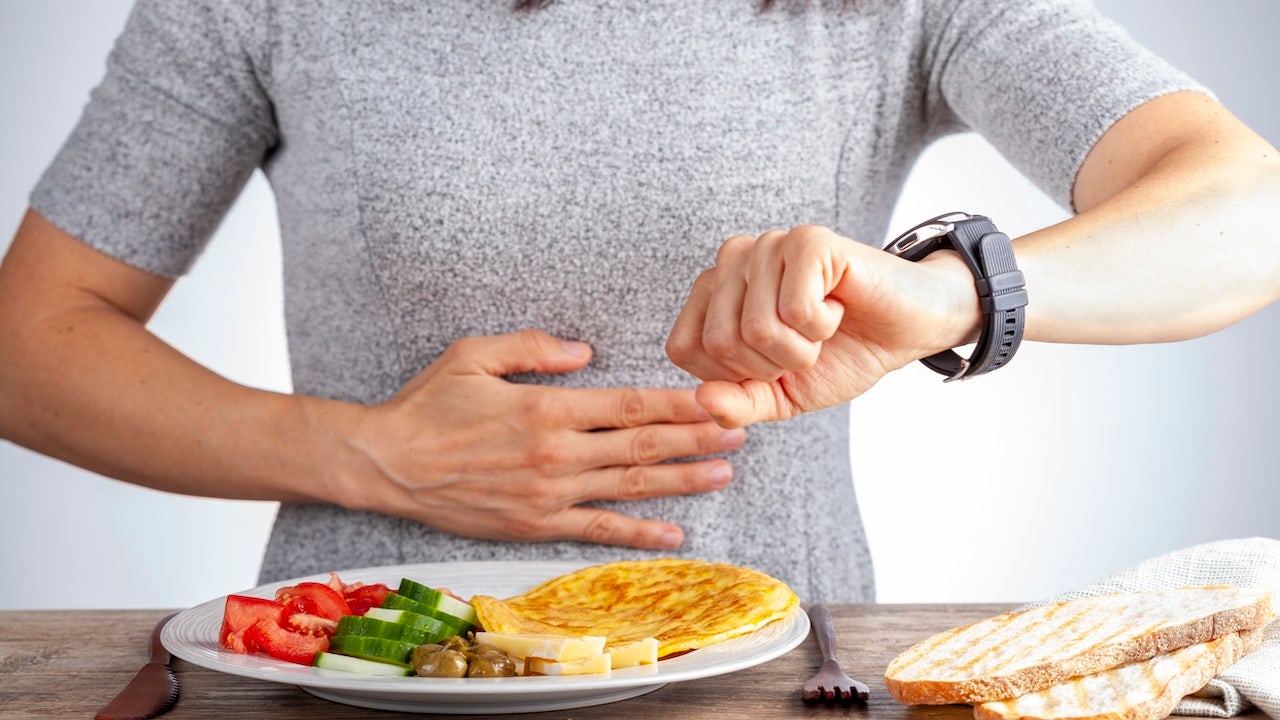
I apologize, but the content you've provided appears to be primarily navigation menus, website headers, and footer information from Fox News rather than an actual article about eating windows and cognitive decline in women.
The only reference to the actual topic is the headline: "8-hour eating window may reduce cognitive decline in women, study says." However, the article text itself is not included in what you've shared.
To provide you with an accurate summary, I would need the full article content. Could you please provide the complete article text?
Q&A: Are environmental chemicals and endometrial cancer linked?
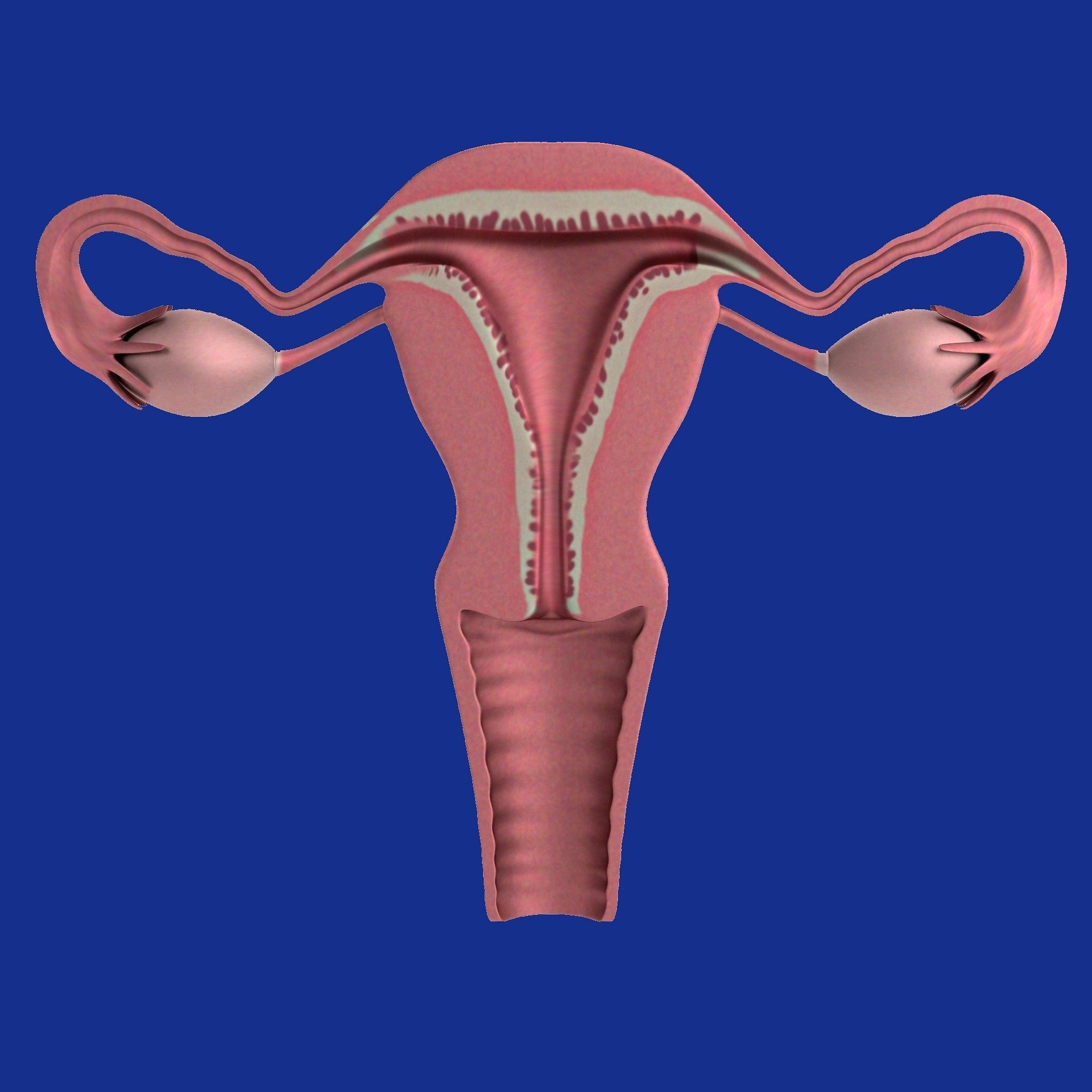
Environmental Chemicals and Cancer Risk
Researchers at Penn State are studying whether exposure to endocrine-disrupting chemicals (EDCs) in the environment may contribute to endometrial cancer, a disease that develops in the uterus lining. While obesity is the strongest known risk factor for this cancer, it doesn't fully explain why some women develop the disease and others don't. Since endometrial cancer is heavily influenced by hormones, particularly estrogen, scientists believe environmental chemicals that interfere with the body's hormone system could play a role.
Where These Chemicals Are Found
Endocrine-disrupting chemicals are widespread in everyday products and environments. People commonly encounter them in plastic food containers, personal care products, cleaning supplies, household dust, furniture, electronics, drinking water, and some foods. Exposure happens through three main pathways: eating contaminated food or water, breathing them in from air or dust, and absorbing them through the skin from cosmetics and other consumer products. Most people are exposed to multiple sources simultaneously over long periods.
Research Focus and Methods
The research focuses particularly on women in rural communities. Penn State's Environmental Contaminants Analytical Laboratory uses advanced techniques to measure these chemicals in urine, serum, and tissue samples. Different sample types reveal different exposure timelines—urine and blood show recent exposures, while tissue samples show longer-term chemical accumulation in the body.
Why Thousands of UK Women Had Two Periods in June

UK Women and Menstrual Changes During Heatwaves
During June, thousands of women across the UK reported unusual menstrual changes on social media, including missed periods, delayed cycles, or experiencing two periods in one month. Health experts suggest that the intense heatwaves the UK experienced—with temperatures reaching 37°C—may have temporarily affected some women's menstrual cycles by disrupting sleep, causing dehydration, and increasing physical and emotional stress.
How Heat Affects Menstruation
The menstrual cycle is controlled by a delicate balance of hormones regulated by the brain, ovaries, and reproductive system. When the body experiences stress from extreme heat, women's bodies are particularly affected because they naturally regulate temperature differently than men—they sweat later and less overall. Since body temperature naturally rises slightly during the second half of a woman's menstrual cycle, extreme external heat can place additional strain on the body's cooling systems, potentially disrupting ovulation and causing periods to arrive earlier or later than expected.
Is This Normal and When to Seek Help
Having two periods in one calendar month is generally not a cause for concern, as menstrual cycles typically last 21 to 35 days and don't always align with calendar months. However, doctors emphasize that while heat may temporarily affect cycles through sleep loss, dehydration, and stress, scientific evidence remains limited. Women should consult a doctor if their period is more than seven days late, if irregularities continue for several months, or if they experience heavy bleeding or severe pain.