Sponsored by Labcorp
Pregnancy is usually a joyful time for any expectant parent, but it can also present many challenges. The risks and questions associated with pregnancy, including complications like preeclampsia, can put a damper on your excitement.
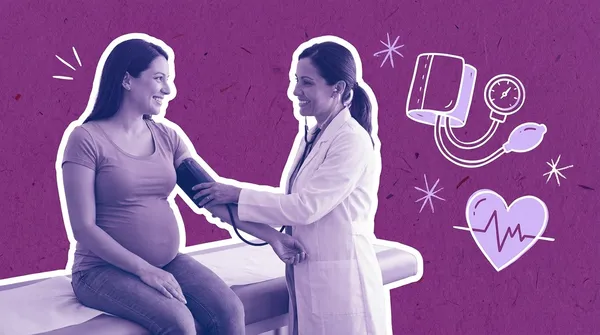
Every prenatal appointment suddenly feels loaded, as you wait for information that might change how you view your pregnancy, such as that dreaded blood pressure check to confirm that everything is normal (or isn't).
Preeclampsia is scary for several reasons, especially since some of its hallmark signs, like headaches or swelling, can be confused with "normal" pregnancy symptoms. But one of the best ways to combat your fear is through knowledge and understanding of what this condition is.
Ahead, we'll discuss how you can reduce your risk of preeclampsia and lay out what you can control about this condition — and what you can't.
What is preeclampsia? (and why prevention matters)
Preeclampsia is a serious condition that usually develops after the 20th week of pregnancy, in which patients experience new-onset high blood pressure (hypertension) and often have high levels of protein in their urine.
According to the World Health Organization (WHO), preeclampsia affects between 3% and 8% of women who give birth worldwide and is a leading cause of maternal and perinatal morbidity and mortality.
Experts believe that the cause of preeclampsia starts in the placenta (the organ that nourishes the fetus throughout pregnancy). When new blood vessels develop early in pregnancy, they don't always work properly, which can cause poor blood circulation in the placenta and ultimately lead to high blood pressure in the mother.
Early detection and management of preeclampsia are essential for a healthy pregnancy and to avoid life-threatening complications. Preeclampsia puts stress on the mother's heart, may cause liver or kidney damage, and can affect the blood supply to the placenta.
Can you avoid preeclampsia? (the honest answer)
While there are no guarantees for preeclampsia prevention, there are ways to reduce your risk, and that starts by understanding which factors you can and can't control.
Who's at higher risk?
If this is your first pregnancy, the good news is that you're considered to be at moderate risk.
According to the American College of Obstetricians and Gynecologists (ACOG), moderate risk factors for preeclampsia include:
First-time pregnancies
Obesity
Being age 35 or older
A family history of preeclampsia
Pregnancies achieved through IVF (in vitro fertilization)
Understanding your personal risk profile will be paramount throughout your pregnancy. And whether you're considered "high risk" or "moderate risk," what matters most is open dialogue with your healthcare provider.
Several health conditions can put you at a higher risk of the condition:
Preeclampsia in a previous pregnancy
Being pregnant with more than one baby
Chronic high blood pressure
Having type 1 or type 2 diabetes before pregnancy
Kidney disease
Autoimmune disorders
On the other hand, there are risk factors partly within your control. You might be able to lower your chances with lifestyle changes and regular prenatal care:
Losing weight if you had obesity before becoming pregnant
Managing your blood pressure and blood sugar
Exercising regularly
Getting enough sleep
Maintaining a healthy, low-sodium diet
How to reduce the risk of preeclampsia: evidence-based strategies
Prenatal care comes first. Early detection can make the difference between a healthy pregnancy and dangerous complications. Attending your prenatal care appointments is critical to reducing the risk of developing preeclampsia. Regular blood pressure screenings are imperative for catching early signs of preeclampsia, as are regular weigh-ins and monitoring any pre-existing conditions that put you at higher risk.
Low-dose aspirin. If you're considered to be at high risk of developing preeclampsia or have more than one moderate risk factor, it's worth asking your healthcare provider about taking a daily low-dose aspirin.
The ACOG and the Society for Maternal-Fetal Medicine (SMFM) recommend 81 milligrams per day, initiated between 12 and 28 weeks of gestation (optimally before 16 weeks) and continued daily until delivery, to help improve placental blood flow. It's the most effective prevention tool available for high-risk patients — but it must be prescribed by your healthcare provider, not started on your own.
Diet and nutrition. There's no magic diet that'll help you avoid preeclampsia, but healthy eating supports your overall health. That means eating enough protein and calcium-rich foods, staying hydrated, and limiting excessive sodium. If you have a nutrient deficiency — primarily calcium or Vitamin D — supplementation can potentially lower your risk. Ask your healthcare provider about whether supplements or increased intake of certain nutrient-rich foods makes sense for you.
Questions Women Are Asking
As OB/GYN Caledonia Buckheit, MD, explains, "Pregnancy is a time to put healthy, safe things into your body. This means eating whole foods, limiting excessive sugar and salt-containing foods, avoiding highly processed foods when possible, and adhering to food safety measures, like cooking meats to recommended internal temperatures and washing your own fruits and vegetables."
While it's always a good idea to monitor your intake of processed foods and sodium, there are no specific foods that cause or prevent preeclampsia. In general, healthy pregnancy nutrition applies to your daily meals.
Exercise and lifestyle. Regular physical activity, adequate rest, and stress management all support a healthy pregnancy. If you're concerned about exercising while pregnant, Dr. Buckheit has some reassurance: "With few exceptions, any exercise regimen you have been doing regularly, you can continue during pregnancy. Check in with your healthcare provider at your early prenatal appointments to double-check about any activities you are worried about the safety of. If you're not sure what you can safely do in pregnancy, start simple: Go for a brisk walk several days per week. This will make a huge difference in the health of your pregnancy, including reducing your risk of preeclampsia."
Managing pre-existing conditions. Since certain pre-existing conditions can put you at high risk for preeclampsia, it's essential to have a plan in place before you even start trying to conceive. If you already have chronic hypertension, diabetes, an autoimmune condition, or kidney disease, speak to your healthcare provider about how to best manage your condition before trying to conceive. Once your pre-existing condition is carefully managed, you can turn your attention to your pregnancy, which will include regular monitoring for preeclampsia.
How to reduce your preeclampsia risk with twins (or more)
Since a twin (or any multiple) pregnancy poses a higher risk for preeclampsia, it's imperative that you not only follow your provider's prenatal care guidelines but also maintain a close relationship with your healthcare provider. That means going to every monitoring appointment (even if they're more frequent than for a single pregnancy). You'll also want to strongly consider taking a daily low-dose aspirin — but only after discussing it with your provider first.
Dr. Buckheit also recommends using a home blood pressure cuff for anyone at high risk for preeclampsia, including multiple pregnancies.
Your preeclampsia toolkit: early detection saves lives
Attending all of your prenatal appointments can make the difference between a healthy pregnancy and critical complications. The earlier preeclampsia signs are caught — through blood pressure checks and urine protein testing — the less likely complications will develop.
Labcorp offers preeclampsia screening as early as 11 weeks into your pregnancy, as well as throughout the second and third trimesters. These blood screenings can identify patients at risk for preeclampsia. They can also support earlier detection and intervention (identifying patients who otherwise may have been missed using traditional screening methods) while reducing the likelihood of complications and patient mortality.
It's worth checking with your OB/GYN about whether screenings like this are right for you and how your care may be impacted by the results.
Warning signs you shouldn't ignore
While consistent monitoring is key for early prevention of preeclampsia, several symptoms should be reported to your healthcare provider right away:
Severe headaches that don't go away (even with over-the-counter pain relief)
Vision changes (blurriness, spots, light sensitivity)
Upper abdominal pain (especially on the right side)
Sudden swelling (face, hands, or severe leg swelling)
Decreased fetal movement
None of these symptoms should wait until your next appointment. If you're experiencing any of the above, call your care team immediately for guidance.
As Dr. Buckheit explains, "These symptoms are not specific to preeclampsia, but can be signs of the disease in some individuals. If you have these symptoms, ruling out preeclampsia through taking a thorough history, obtaining a blood pressure reading in the office or hospital, and obtaining labs when applicable can clarify if the symptoms are from preeclampsia or some other issue."


It's also crucial to remember that postpartum preeclampsia can develop up to six weeks after delivery, making postpartum vigilance just as important as regular prenatal monitoring.
If you've had preeclampsia before
The last thing anyone who's already been through preeclampsia wants to hear is that any subsequent pregnancy puts them at higher risk.
As Dr. Buckheit explains, "All preeclampsia is not created equal. Someone who experienced severe, life-threatening preeclampsia in the second trimester and delivered a barely viable baby has a very different risk profile than someone who developed high blood pressure at 36 weeks and was induced."
If you had a more severe or early-onset case, it's essential to have a detailed conversation with your provider about recurrence risk, potential complications, and what a subsequent pregnancy could realistically look like. That conversation may include referring you to a maternal-fetal medicine specialist, discussing close-monitoring strategies, exploring preventive options like low-dose aspirin, and, in some cases, considering alternatives such as surrogacy.
What if you do develop preeclampsia?
Even if you've done everything possible to prevent it, preeclampsia can still show up during your pregnancy. The earlier it's detected, the better your healthcare team can manage the condition. Your treatment plan will depend on the severity of your preeclampsia, the gestational age of your baby, and the overall health of you and your baby.
If you don't have severe preeclampsia, your blood pressure monitoring will likely increase, and your doctor may recommend you deliver once you hit 37 weeks of gestation.
If you develop severe preeclampsia, you'll be admitted to the hospital so your care team can monitor you closely. And delivery will likely be recommended at 34 weeks (or sooner if there are complications). Your doctor may recommend treating your blood pressure with medication to lower it and prevent additional complications.
Taking control of what you can
It may sometimes feel like no amount of prevention can stave off preeclampsia, but proactive management can make a difference. That means making your prenatal appointments your number-one priority, knowing your risk factors, and maintaining healthy lifestyle habits.
Take that daily aspirin if your provider recommends it, and don't ignore any symptoms that give you pause. If something doesn't feel right, trust your gut, call your care team, and don't be shy about advocating for yourself.
Dr. Buckheit adds, "Preeclampsia symptoms should be reported to your care team so that an appropriate workup can be done to see if your symptoms are due to preeclampsia or another condition."
Preeclampsia is diagnosed clinically — by your doctor or midwife based on blood pressure readings, symptoms, and lab findings — not through at-home testing.
Still, lab screenings can play an important role in supporting your provider's assessment. If your provider has concerns about your risk or wants closer monitoring, they may order lab work as part of your overall prenatal care plan.
Labcorp offers clinician-ordered prenatal lab screening that can help your healthcare team evaluate risk factors and monitor your health throughout pregnancy.
As scary as this all sounds, keep in mind how far modern medicine has come. Even with preeclampsia, there have been many healthy pregnancy outcomes with the proper care.
Your feelings about preeclampsia are completely valid, and it's okay if you're worried about what's ahead. For support and more information, speak to your healthcare provider and check out the resources from the Preeclampsia Foundation.
Learn more about preeclampsia, preconception, and prenatal screening and how Labcorp helps patients and providers navigate next steps, together.
Disclaimer: Emerging blood tests aimed at predicting preeclampsia earlier in pregnancy are an exciting area of research and hold potential for improving how we identify patients who may be at higher risk. However, these tests are still being evaluated, and professional organizations such as ACOG are continuing to assess the evidence in collaboration with the FDA. At this time, while second- and third-trimester preeclampsia screening is FDA-cleared, earlier tests are not considered part of routine standard prenatal care. If patients have questions about new screening options, the first and most important step is to speak with their OB/GYN, who can provide individualized guidance based on their medical history and risk factors.