

A 1,000-person study by Rescripted
It’s Official. Sex Ed Is Broken.
A sneak peek into what we learned from our 1,000-person study on The State of Sex Ed in 2023. People want to understand how their bodies work — but the places they turn to for answers are the places they trust the least.
The State of Sex Ed, Unleashed 🔥
Enter your email to get exclusive access to the full State of Sex Ed Report and accompanying newsletter.
Takeaway 1 ~ People go to the internet for education about how their bodies work because it’s convenient, yet they don’t trust it.
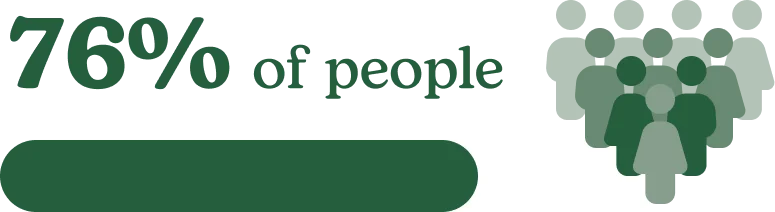
76% of people think social media and the internet are a source of misinformation about reproductive and sexual health — and only 6% think mass media gives an accurate representation of reproductive health.

94% of people rely on the internet (Google, social media, community forums) for answers to their questions about reproductive and sexual health.
Takeaway 2 ~ People desperately want to know how their bodies work, but there’s no trustworthy place to go to get educated.
Porn is the #1 source of misinformation about reproductive and sexual health, according to 46% of people.


Only 29% of people feel like they’re an expert on their own body.
76% of people believe there’s misinformation spread about reproductive and sexual health within their peer group.
Takeaway 3 ~ People are confused AF when it comes to sexual health realities.
32% of people think a person who menstruates can’t pee with a tampon in. They can — it’s a different hole. Females have two openings: their urethral opening and their vaginal opening.
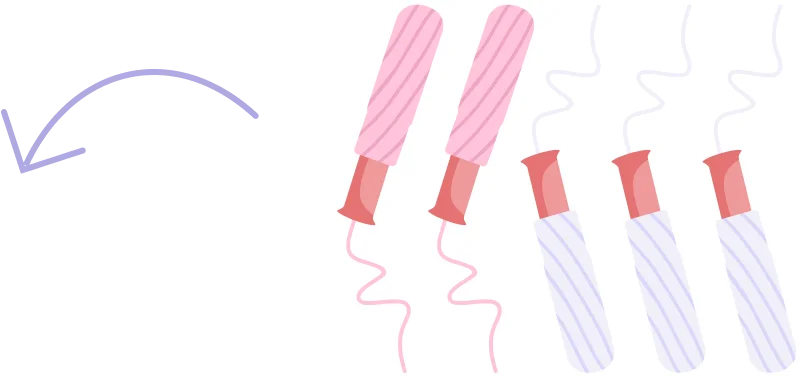
32% of people think a person who menstruates can’t pee with a tampon in.
Men can fake orgasms, just like women. It’s possible for men to ejaculate during sex without experiencing an orgasm — orgasm and ejaculation are two separate physiological processes that usually occur together but can also happen independently.
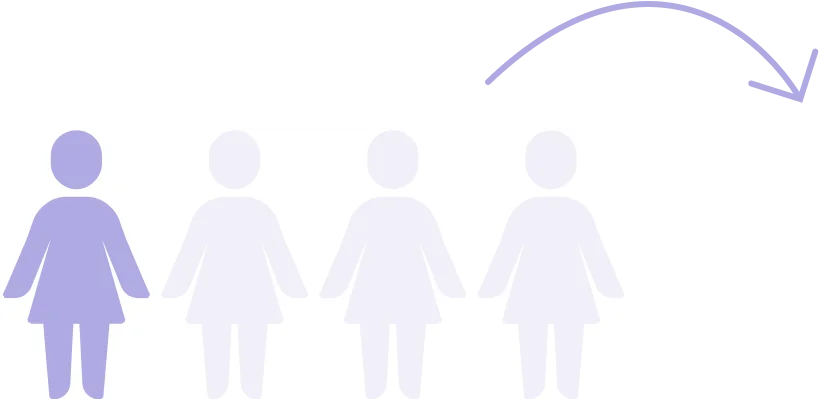
1 in 4 people think women exclusively fake orgasms.
Takeaway 4 ~ Very few of us actually understand our bodies or the bodies of others… and that’s a big problem for women, men, and future families.

Only 35% of people feel educated about the menstrual cycle and pregnancy prevention.
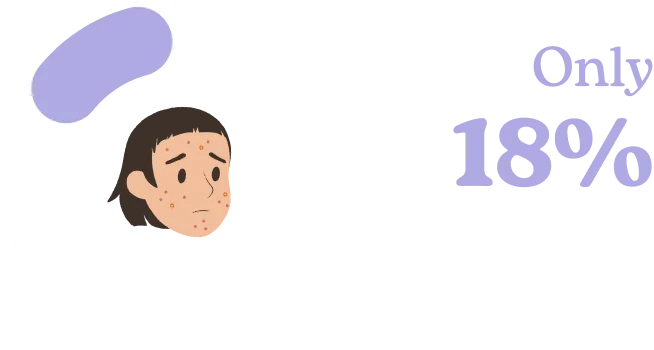
Only 18% of people feel educated about their own hormones.

Only 1 in 4 people feel educated about ovulation.
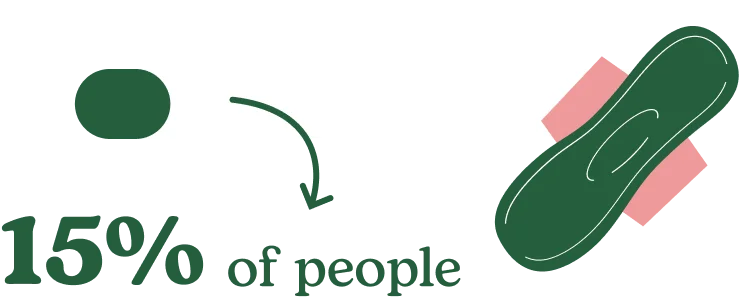
15% of people have no knowledge about the ovulatory period.
Get the Full State of Sex Ed Report
See everything we learned from 1,000 people about how we learn (and don’t learn) about our bodies.
A special thanks to our partners
Thank you to Spring Fertility, Oura, Binto, Everly Health, Adyn, Levels, Nodal, and Rosy Wellness for supporting our mission of education and empowerment.