The Case Against One-Click Buying: How Slow Shopping Became the New Self-Care
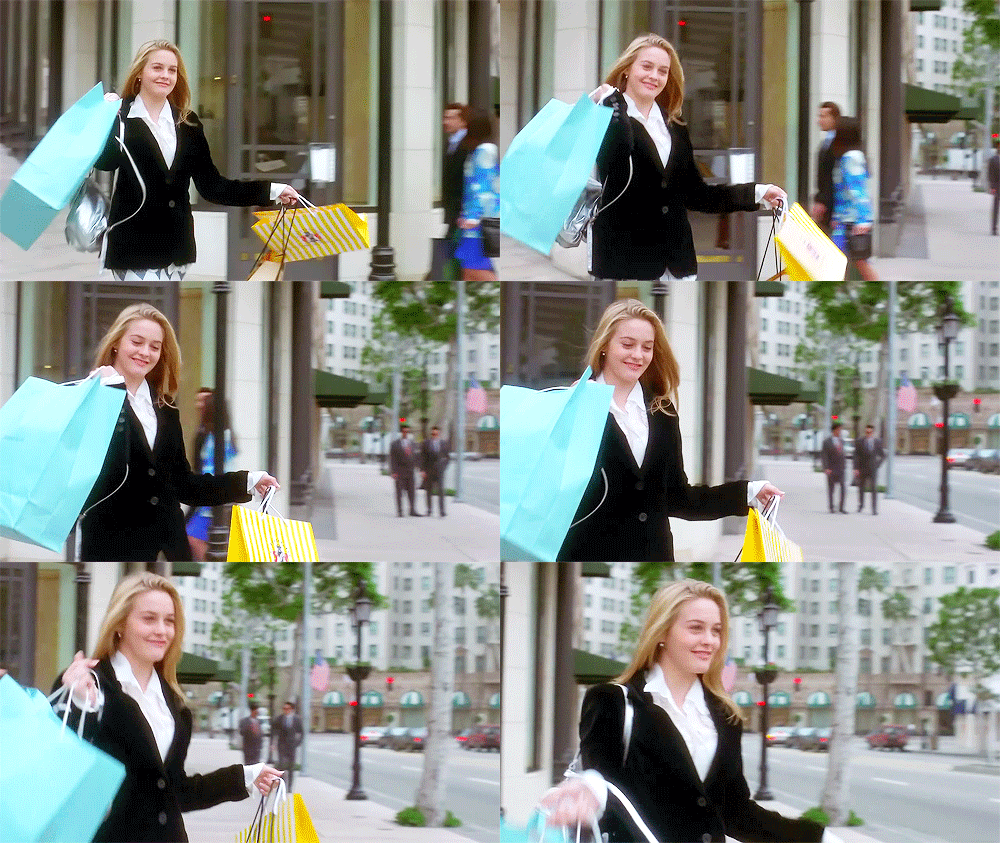
Convenience is online shopping: fast delivery, promised newness, shiny things practically dropped in your lap. And look, I've always loved to shop. But lately the online arena has felt a little lackluster — same algorithm, same ten brands, same "you might also like." Getting out of the house and into a well-curated shop (bonus points if it's a local small business) has become the best place to spend hard-earned money, especially with everything getting more expensive.
Turns out I'm not the only one feeling this.
Boutique shopping is having a real moment right now, and it's not just nostalgia — it's a genuine pushback against the endless-scroll, one-click, buy-now culture we've been living in for years. After a stretch where "convenient" meant "correct," people are rediscovering that a slower, more deliberate way to shop can feel just as good as the purchase itself. Independent shops are reporting renewed foot traffic, shoppers are name-dropping their favorite local spots the way they used to recommend restaurants, and there's a growing appetite for the kind of discovery an algorithm can't replicate — the thrill of finding something in person that you didn't know you needed.
Part of it is economic: when every dollar counts a little more, people want to feel good about where it goes. Part of it is sensory burnout — we've all bought the thing that looked perfect on screen and felt like cardboard in real life. And part of it is just craving a little friction back in our routines, a reason to leave the house with intention instead of a package showing up while we're not even paying attention.
Which brings me back to my own theory: dedicated shopping trips make for less impulse buying and more sensory buying — all five senses working overtime before you decide whether this is finally the perfect white t-shirt, whether that little plush toy is a timeless keepsake, or whether a notebook has the kind of silky pages your gel pen can actually glide across.
Turns out, the best algorithm might just be your own two hands.
Ask Clara:

"What are some easy ways to budget?"

More from The Wellness Edit