Why Functional Core Exercises Are Trending Right Now
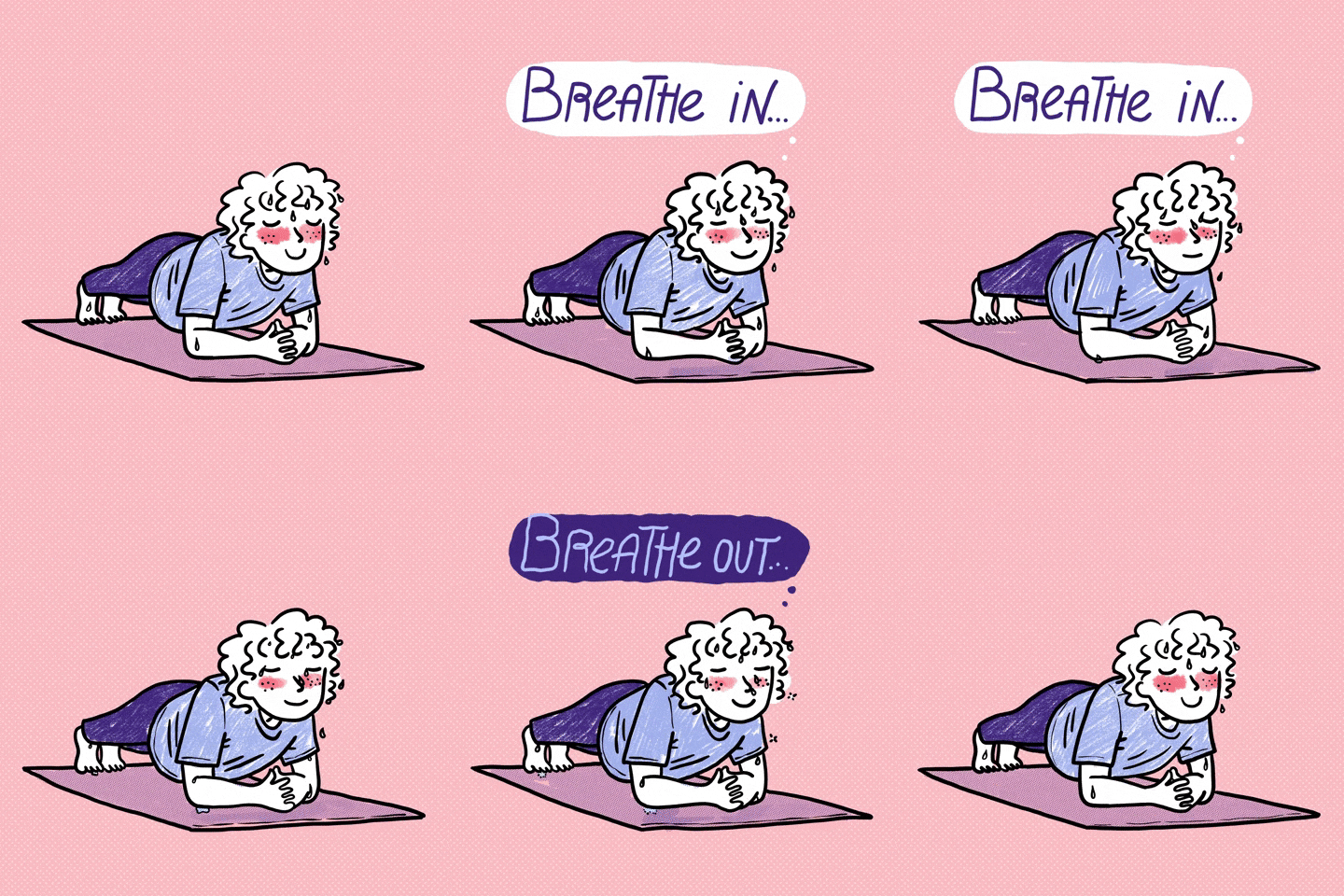
Okay, we need to talk about your core — but not in the "get flat abs by summer" way. This is deeper (literally).
Here's the deal: as estrogen starts to fluctuate in perimenopause, connective tissue gets less elastic, muscle mass declines, and your deep core system (hi, transverse abdominis) becomes less efficient at doing its job. That's why so many women in their 40s and 50s suddenly notice back pain, a "disconnected" feeling, or a pelvic floor that isn't quite as reliable as it used to be. Your core isn't just abs — it's a whole pressure system (diaphragm, deep abs, pelvic floor) that estrogen actually helps hold together, so when hormones shift, the whole system feels it.
This is exactly why functional core work — think bird dogs, glute bridges, dead bugs, suitcase carries — is having a moment. These moves train stability and pressure management instead of just crunching forward, which matters way more for your pelvic floor and spine than a six-pack ever will.
One more hormone plot twist: if you're already running on high cortisol (hello, wired-but-tired perimenopause energy), skip the punishing HIIT circuits. Gentle, consistent core and strength training two to three times a week won't spike stress hormones the way high-intensity training can, and it still builds the strength and stability your body needs through this transition.
So next time someone tells you to "just do more crunches," feel free to smile and go do a bird dog instead. Your hormones will thank you.
Ask Clara:

"How do I improve my core strength?"

More from The Wellness Edit