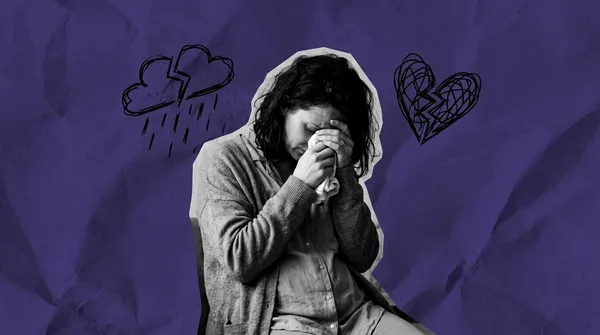
One or two weeks postpartum, crying every day, and not feeling like yourself? Though "baby blues" are common, it's totally understandable to wonder if something's wrong with you.
First of all, there's nothing wrong with you. Struggling emotionally as a new parent is a normal experience. And you can absolutely get through it with the right information and support.
Many women delay seeking professional help because they're unsure if what they're feeling "counts" or is "bad enough" to qualify. BetterHelp just released its 2026 State of Stigma Report, which shows how a feeling that you should be able to "handle things on your own" can discourage people from reaching out for the help they need. In fact, 78% of women aren't accessing mental health care at all — not because they don't believe in it, but because the barriers are real.
So, what are baby blues, and are they different from postpartum depression (PPD)? Short answer: Yes. We'll clear the air and go over what can help you feel better.
What are baby blues? (And why nobody warned you they'd hit this hard)
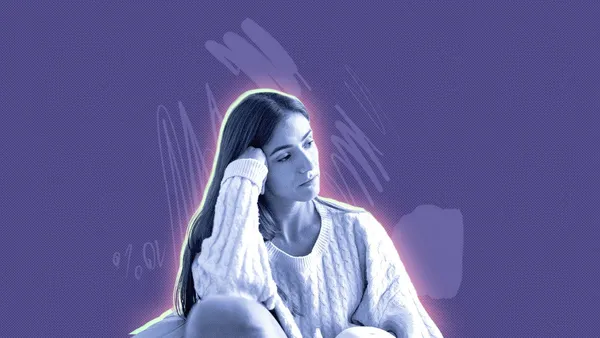
Baby blues are a short-term bout of sadness, anxiety, or intense overwhelm that can happen after childbirth. What does this feel like in reality? Crying over seemingly nothing, mood swings, or withdrawing from others.
According to the American Pregnancy Association, 70 to 80% of new parents experience the baby blues. They typically start two to three days postpartum, but for some women, it can hit just hours after delivery.
Why, though?
Some research points to a sudden shift in hormone levels, as estrogen and progesterone drop dramatically after birth. It can also be related to the all but inevitable sleep deprivation, the stress of having to keep a tiny human alive (possibly feeding it with your own body), the identity crises of becoming a parent, and just navigating life at such a vulnerable time.
Whatever the reason(s), baby blues are real, valid, and common — even when your baby is healthy.
BetterHelp's Motherhood With You video series features licensed therapists and real moms talking honestly about the emotional weight of early motherhood — including the stuff nobody warns you about. Watch the series here.
What about partners?
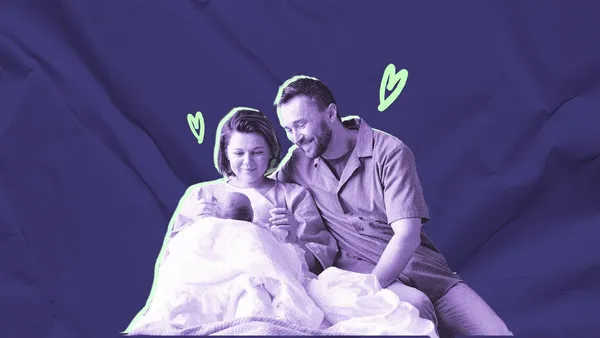
Yep, they can get baby blues, too. As much as 10% of partners feel sad, anxious, withdrawn, or irritable during those first three to six months. But the onset can be up to a year after the baby is born.
How long do baby blues last?
The good news is that baby blues don't last very long — typically two weeks, tops.
They might show up around day two postpartum, peak around day four, and resolve within 10 to 14 days. The two-week marker isn't a hard deadline, though. Don't panic if you're at day 13, but around that point, symptoms should be getting better, not worsening or staying the same.
The difference between baby blues and postpartum depression
Baby blues tend to resolve within a couple of weeks. PPD, on the other hand, persists and potentially worsens over time.
Also, while baby blues can be tough, they generally don't stop you from functioning. Depression, including during postpartum, might interfere with daily life.
Still, there can be some gray area. We'll break down the symptoms for each so you can get a better picture of baby blues vs. postpartum depression.
Baby blues symptoms
Symptoms can include:
Mood swings and irritability
Crying for no clear reason (or very small reasons)
Feeling anxious or overwhelmed
Pessimistic thoughts
Trouble sleeping, even when your baby sleeps or someone else is on baby duty
Appetite changes
Difficulty concentrating
Lack of self-confidence
Feeling happy one minute, sad the next
Baby blues usually come in waves throughout the day — it might not be a constant thing.
Postpartum depression symptoms (the red flags)
Symptoms can include:
Persistent sadness that doesn't lift
Loss of interest in things you used to enjoy
Difficulty bonding with your baby
Withdrawing from loved ones
Scary or intrusive thoughts
Feeling like you're failing or "just can't do this"
Unlike baby blues, PPD typically feels more constant.
Thoughts of harming yourself or your baby require immediate help. Call or text the National Maternal Mental Health Hotline at 833-852-6262.
When baby blues become postpartum depression

What starts as baby blues can turn into PPD. If your symptoms last longer than two weeks and seem to be getting worse, or if you're unable to do daily tasks or take care of yourself or your baby, you might be facing depression.
If you're struggling, don't wait for it to become a crisis to call a healthcare provider. Getting help early makes treatment more effective, but it's never too late, and there's no "wrong" time to seek support.
Baby blues treatment: what actually helps
First, the truth: "It goes away on its own" doesn't mean you have to white-knuckle through it.
Talk to someone — a therapist, partner, friend, or another new parent who gets it (you're not the only one crying).
A mental health professional can be really helpful during this time. And for the record, therapy is totally valid with baby blues, not just PPD. Online therapy with a platform like BetterHelp can make it easier to fit in, with day and night scheduling options.
Beyond that, try to get outside, even for just a 10-minute stroller walk. At the risk of stating the obvious, sleep will help, too. (We know — easier said than done, but trade off for shifts if possible.)
Lastly, lower the bar for yourself. It's normal to feel like you're in survival mode, and this is by no means a failure.
Getting help without guilt
Give yourself permission to accept help without guilt. You (or your partner) aren't failing if you need support.
Whether it's a check-in with your OB/GYN or midwife, texting the National Maternal Mental Health Hotline, a new-parent support group, or online therapy, asking for help makes you a better parent, not a worse one. Not sure what to say? "I'm struggling and need help" is enough.
The earlier you reach out, the better. Get started today with BetterHelp.