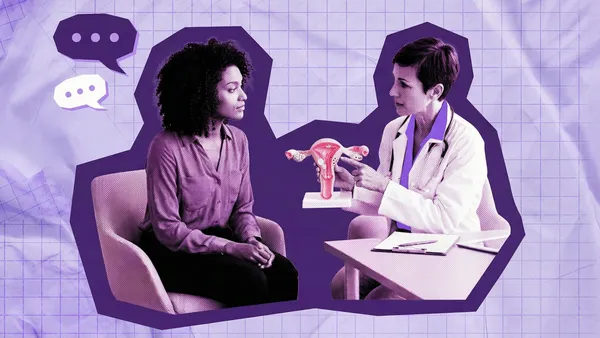
Uterine fibroids are a common health issue for many women, but the term itself can sound pretty intimidating. Add "cervical" to the mix, and there's an extra layer most people never get an explanation for, because unlike other types of fibroids, where they're located actually changes what you're dealing with.
70% of women will develop uterine fibroids by the time they reach menopause. Yet, many are completely surprised to learn they have fibroids, which, while mostly benign, can sometimes cause a wide range of bothersome symptoms — and location is often the piece that gets left out of the conversation.
What are cervical uterine fibroids?
Cervical fibroids are made of the same tissue as any other uterine fibroid — smooth muscle and fibrous tissue — but their location, in or on the cervix rather than the main body of the uterus, is what sets them apart. They're rare, making up less than 1% of all fibroid cases, but their position near the cervix means they can come with a harder road: heavier or more unpredictable bleeding, a higher risk of pregnancy and delivery complications (since a fibroid in that location can physically obstruct the birth canal or interfere with cervical function), and a more complicated surgery. Because the cervix sits so close to the bladder, ureters, and rectum, removing a fibroid there carries a higher risk of bleeding and injury to those structures than a typical myomectomy, which is why cervical fibroids are often handled by a surgeon with specific experience in this area.
Uterine fibroids are growths that can vary significantly in size, from as small as a pea to as large as a grapefruit, and a woman may have a single fibroid or several.
While all uterine fibroids are growths of the smooth muscle of the uterus and share the same makeup of muscle and fibrous tissue, their location can significantly impact symptoms and treatment options.
Signs and symptoms of uterine fibroids
Not all women with uterine fibroids will experience symptoms. For those who do, the effects can range from mild to severe. Common symptoms include:
Heavy or prolonged menstrual bleeding
Pelvic pressure or pain
Frequent urination
Constipation
Pain during intercourse
Difficulty getting pregnant
How cervical fibroids can look different
Because of where they sit, cervical fibroids don't always follow the same symptom pattern as fibroids elsewhere in the uterus. Some things to watch for that are more specific to this location:
Bleeding that's heavier or harder to predict, including spotting after sex
Urinary symptoms from a fibroid pressing on the bladder — frequency, urgency, or trouble fully emptying
In larger cases, a mass that protrudes through the vagina, which can sometimes be mistaken for a prolapse or other condition until it's properly evaluated
If you're noticing any of these, it's worth mentioning to your provider specifically, since they can point toward a cervical fibroid even before imaging confirms it.
Pregnancy and fertility considerations
Cervical fibroids get extra attention when pregnancy is part of the picture. Because they can distort the shape of the cervix or sit low enough to partially or fully block the birth canal, they're linked to a higher risk of miscarriage, subfertility, and (depending on size and position) the need for a planned C-section rather than a vaginal delivery. Not every cervical fibroid causes these issues, but if you're pregnant or trying to conceive with one, it's worth a conversation with a maternal-fetal medicine specialist about monitoring throughout pregnancy and what delivery might look like.
What to expect during diagnosis
Uterine fibroids are often discovered during routine pelvic exams. If your healthcare provider suspects fibroids, they might recommend further diagnostic tests such as ultrasound, MRI, or hysteroscopy. These tests help determine the size, location, and number of fibroids, which is crucial for developing a treatment plan.
Choosing the right treatment
The good news? There are several treatment options available for uterine fibroids. The best choice depends on factors like the size and location of the fibroids, your symptoms, and your future pregnancy plans.
For mild symptoms, your provider might suggest a "watch and wait" approach. This involves monitoring the fibroids over time to see if they grow or if symptoms worsen. Many fibroids shrink on their own after menopause.
Several medications can help manage the symptoms of uterine fibroids, especially heavy bleeding and pain. Your provider will work with you to find the best option for your situation. Some possibilities include:
Hormonal birth control
You may already be familiar with birth control pills, but they can also come in other forms, like patches, rings, or IUDs. They can help lighten your periods and reduce pain. While one of the most commonly used medications, hormonal birth control is not indicated for the condition, although there is some research that indicates its helpfulness in some cases.
Questions Women Are Asking
Gonadotropin-releasing hormone (GnRH) antagonists
These are oral medications that block the action of GnRH, which leads to a decrease in the production of estrogen. Treatment is often combined with a small dosage of hormone to mitigate side effects.
Tranexamic acid
This is a medication that helps reduce heavy bleeding specifically. You'll likely take it only during your period.
What about surgery?
For more severe cases or larger fibroids, surgical options might be the best choice. It’s important to make this decision with your OB/GYN and can be dependent on different factors: symptoms, medication management, specific location of fibroids, fertility issues, etc.
Surgical options can include:
Myomectomy: Removal of the fibroids while leaving the uterus intact.
Hysterectomy: Removal of the entire uterus (only considered if other treatments haven't worked and you're not planning future pregnancies).
Uterine artery embolization: A procedure that cuts off blood supply to the fibroids.
Why treatment looks different for cervical fibroids
"Watch and wait" is less commonly the plan for cervical fibroids, since their location tends to make symptoms, and complications, more likely even when a fibroid isn't especially large. Surgery is more often the recommended path, but there's no single standard approach. Depending on the fibroid's size and exact position, a surgeon might go in vaginally, laparoscopically, or through an open abdominal incision. Because the bladder, ureters, and rectum sit so close to the cervix, many surgeons will order detailed imaging beforehand and place temporary stents in the ureters during surgery, just to keep track of them and lower the risk of injury. It's a more involved process than a typical myomectomy, which is part of why finding a surgeon experienced with cervical fibroids specifically makes a real difference.
When to see a specialist
Given how rare cervical fibroids are, not every OB/GYN will have handled many of them. If you've been diagnosed with one — especially if it's large, symptomatic, or you're planning a pregnancy — it's worth asking whether your provider has specific experience with cervical fibroid surgery, or getting a referral to a gynecologic surgeon who does.
Living with uterine fibroids


Dealing with uterine fibroids can be challenging, but many women lead full, active lives with proper management. Here are some tips:
Keep track of your symptoms and reach out to your OB/GYN
Discuss and maintain communication about treatment options with your healthcare provider
Consider joining a support group to connect with other women
Reduce your stress, as it can sometimes exacerbate symptoms
Maintain a healthy lifestyle with regular exercise and a balanced diet
The emotional impact
It's important to acknowledge that dealing with uterine fibroids isn't just a physical challenge; it can take an emotional toll, too. Many women find themselves feeling anxious, worried about the future, or frustrated by the impact of fibroids on their lives.
Please know that these feelings are valid, and you're not alone. Talking to your healthcare provider about your emotional well-being is a sign of strength, not weakness. They can offer support and connect you with helpful resources in your area or online.
Empowering yourself with knowledge
Knowledge is power when it comes to your health. And understanding uterine fibroids is a crucial first step in taking control. Learning about this condition will empower you to have informed conversations with your healthcare provider and make the best choices for your care.
The Uterine Health Guide is a great place to start, providing comprehensive and easy-to-understand information about uterine fibroids of all types. Use it as a tool to prepare for your conversations and educate yourself so you can actively manage your health and well-being needs.
What’s next?
The key is to work closely with your healthcare provider to develop a personalized plan that addresses your specific situation. Be proactive: stay informed, listen to your body, and don't hesitate to seek support.
Uterine fibroids can be a super challenging health issue, but you're not alone. Millions of women have similar experiences, and thanks to ongoing advancements in medical understanding, technology, and treatment, more are finding relief and support.